
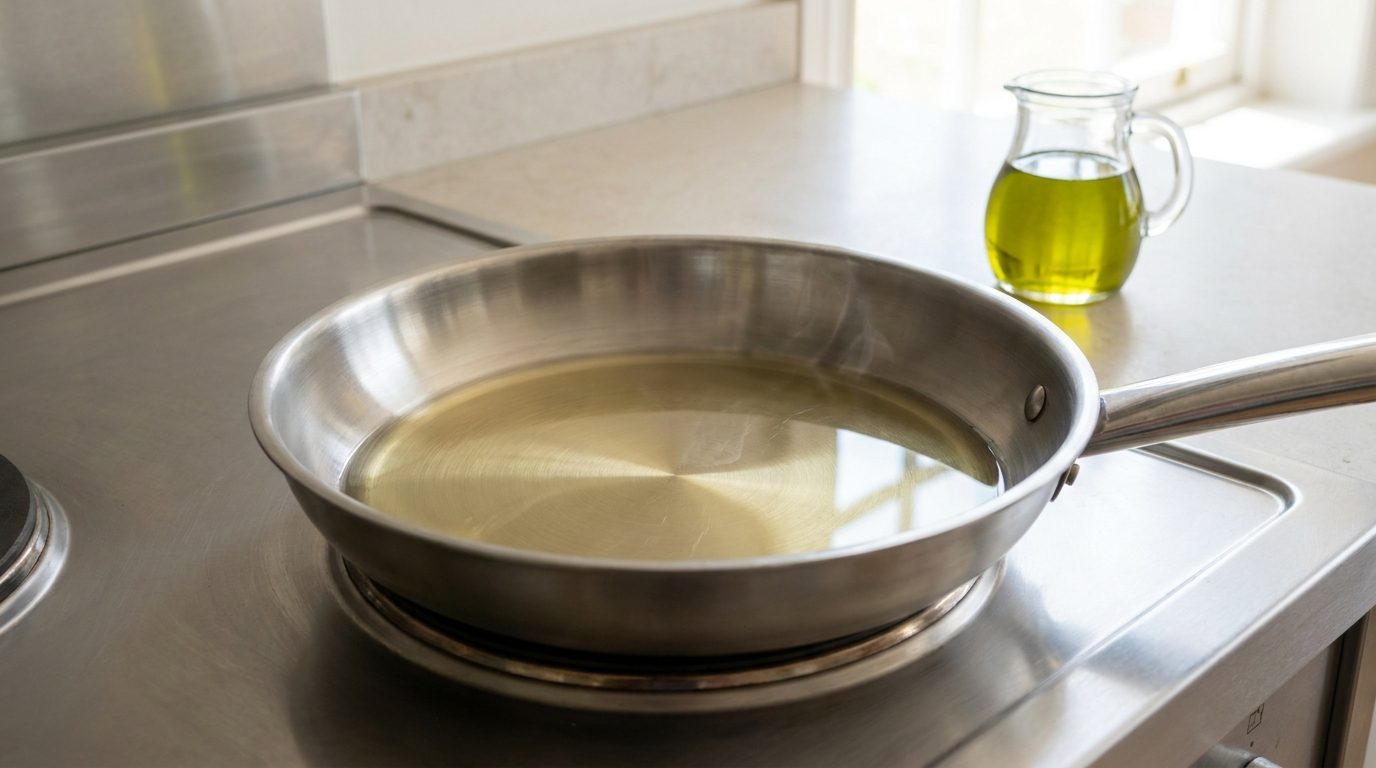
Does Refining Destroy Hemp Oil's Omega-3? What Survives and What Doesn't
The most common worry about refined hemp oil is that processing must have stripped out the essential fatty acids. It mostly hasn't. What refining genuinely reduces is something else entirely.
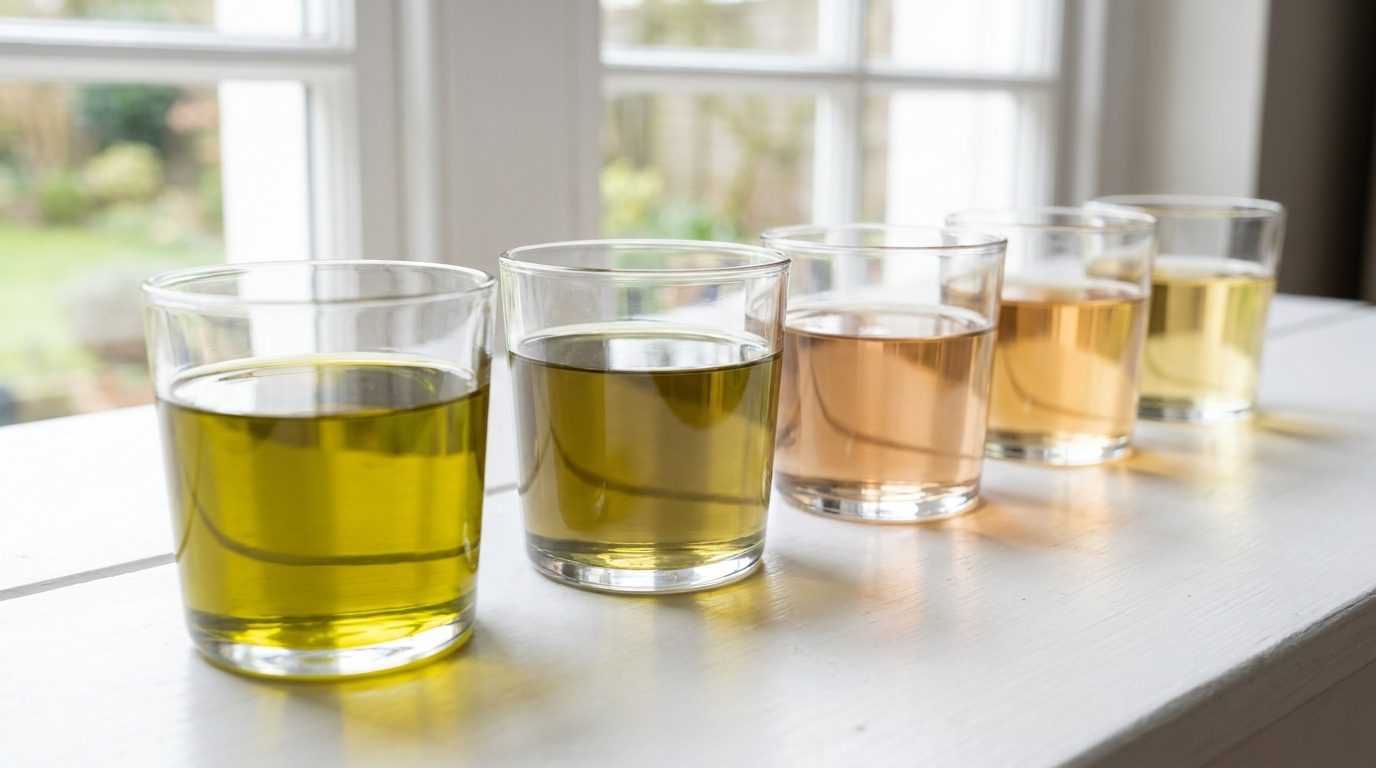
How Refined Hemp Oil Is Made: Degumming, Bleaching and Deodorizing
Refined and virgin hemp oil come from the same seed and often the same press. Everything that separates them happens afterward, in a sequence of steps that each remove one specific class of compound.
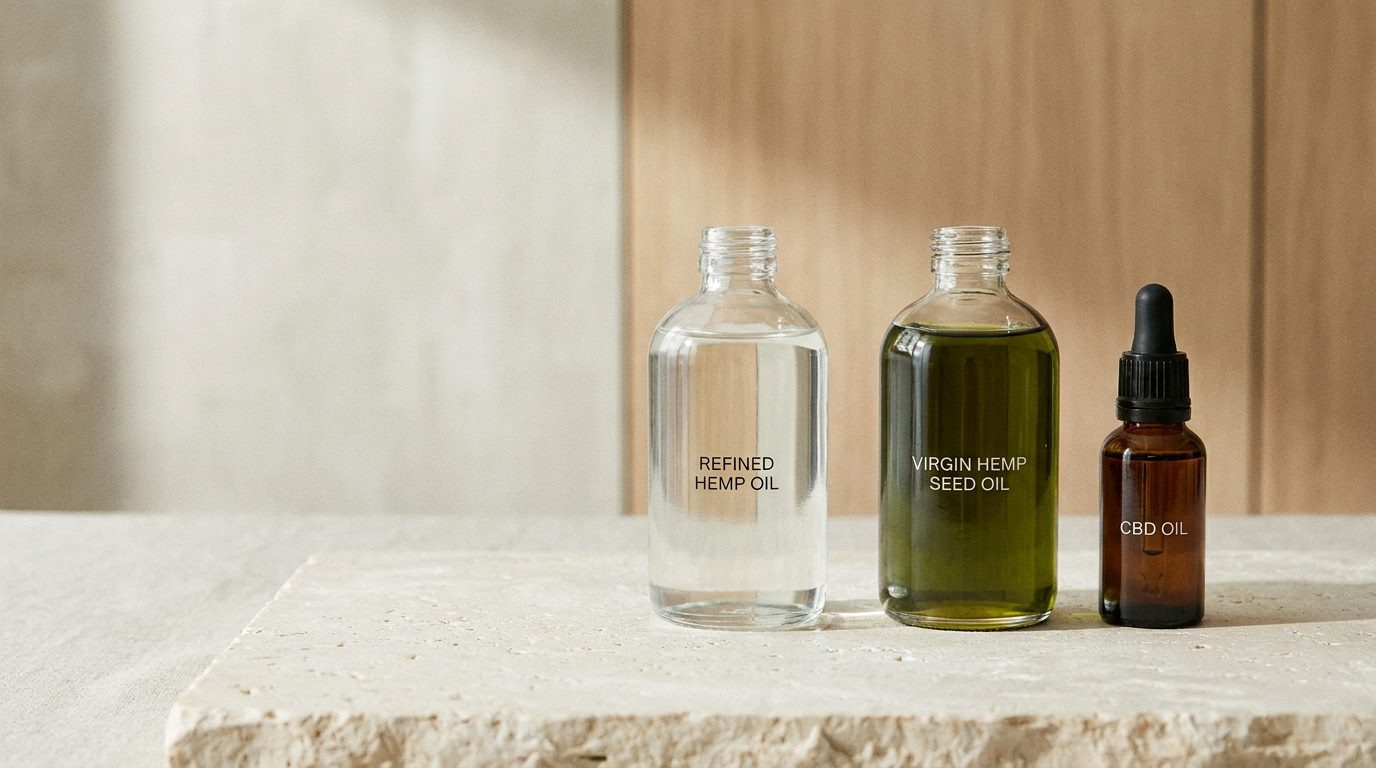
Refined Hemp Oil vs Hemp Seed Oil vs CBD Oil: What's the Difference?
Shoppers routinely conflate refined hemp oil, hemp seed oil, and CBD oil, but they are three different products. Refined hemp seed oil is a culinary and cosmetic oil with no meaningful CBD or THC.
Refined Hemp Oil Quality: The Specifications That Actually Matter
Free fatty acid, peroxide value, colour, moisture, oxidative stability and THC testing each say something specific about a refined hemp oil. Here is what each line on the spec sheet actually tells a buyer.
Refined Hemp Oil in Industry and Manufacturing
Beyond cooking: cosmetics, food manufacturing, lubricants, biofuel, and bioplastics. Industrial specifications and why refined oil dominates these applications.

Cooking With Refined Hemp Oil
Refining raises hemp oil's smoke point but leaves it about 80 percent polyunsaturated. Where refined hemp oil works in the kitchen, where it does not, and how it compares with other cooking oils.
What Is Refined Hemp Oil?
Refined hemp oil undergoes degumming, neutralizing, bleaching, and deodorizing to produce a flavour-neutral oil with higher smoke point and longer shelf life than virgin hemp oil.
Buying Refined Hemp Oil in Bulk
Bulk pricing benchmarks, where to source in Canada, what specifications to require, handling and storage protocols, and considerations by sector (restaurant, manufacturing, cosmetic, industrial).
Refined Hemp Oil FAQ
Refined vs virgin, health implications, skincare, cooking, CBD content, substitution, shelf life, organic options, pricing, and pet safety. Twelve common questions answered.